 English
 Korean
 Spanish
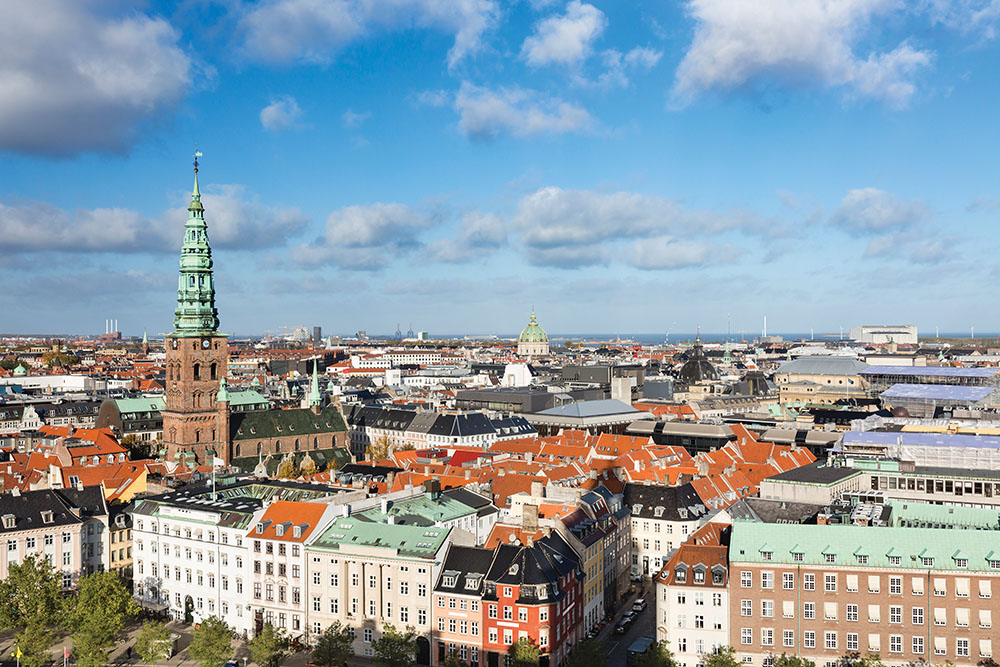
One of the books I’ve been reading this summer is called The Year of Living Danishly. Written by British journalist Helen Russell, it chronicles the year she and her husband spent in Denmark.
One of the chapters paints a sad picture of what faith looks like in that country. On a drizzly Sunday in May, the Russells were on a stroll when they noticed a high level of activity at a church close to their home—something she notes was unusual.
“The place is all lit up from within, despite the fact it’s 10 a.m.,” she writes, “and there are several dozen cars parked in the field next door. This is not normal. Usually, the church is just there. Looking nice but not doing much or showing any signs of activity or purpose.”
Turns out all the commotion was centered around a teenager’s confirmation ceremony, replete with extravagant decorations, a DJ, lavish dress, and gifts aplenty. Conspicuously missing? God. Upon further investigation, the author recounts being told, “A fear of God isn’t included in the Danish version of the Protestant religion. … We aren’t a very religious country on the whole.”
Last spring, the Southern Baptists of Texas Convention went on its inaugural vision trip as part of its Reach Europe initiative. Reach Europe is a strategic ministry partnership between the SBTC and the International Mission Board to plant new churches and strengthen existing congregations across Europe—which is considered the most lost continent on the planet.
Denmark is one of the countries included in the partnership, and when SBTC pastors visited Copenhagen, they learned the country has a rich Christian heritage with which most of its residents are unfamiliar or intentionally unattached. An estimated 95% of Denmark’s 6 million residents do not have a personal relationship with Jesus Christ. Seventy-five percent of Danes belong to the state-affiliated Church of Denmark, which performs infant baptism, but 68% of those people identify as atheists. Fewer than 1 in 40 attend church.
“This is a very lost place,” Denmark’s lone IMB missionary told the Texan last year. “It’s a part of Europe surrounded by Christianity but inoculated to the gospel.”
God willing, that trend of lostness will soon be turning around. In this issue, you’ll read about a group of Hispanic pastors who recently traveled to Europe to catch the vision of how God may use their churches to advance the gospel. Another group of pastors will head out on a similar vision tour in November.
The SBTC’s Regenesis process, which offers strategies to help churches experience health and renewal, is another initiative to strengthen our gospel witness not only in Texas, but around the world. Regenesis tools will soon be offered to churches in Romania, another of the countries included in the Reach Europe partnership.
I can’t think of anything more discouraging than hearing about churches that are most alive when they’re hosting secular parties, or when newspapers report on the rising number of empty church buildings being repurposed into bars, community centers, and retail shops.
But I can’t think of many things more exciting than hearing about brothers and sisters in Christ banding together through efforts like Reach Europe and Regenesis to not only reclaim sacred territory that’s been lost, but to claim new territory for the sake of Jesus.