 English
 Korean
 Spanish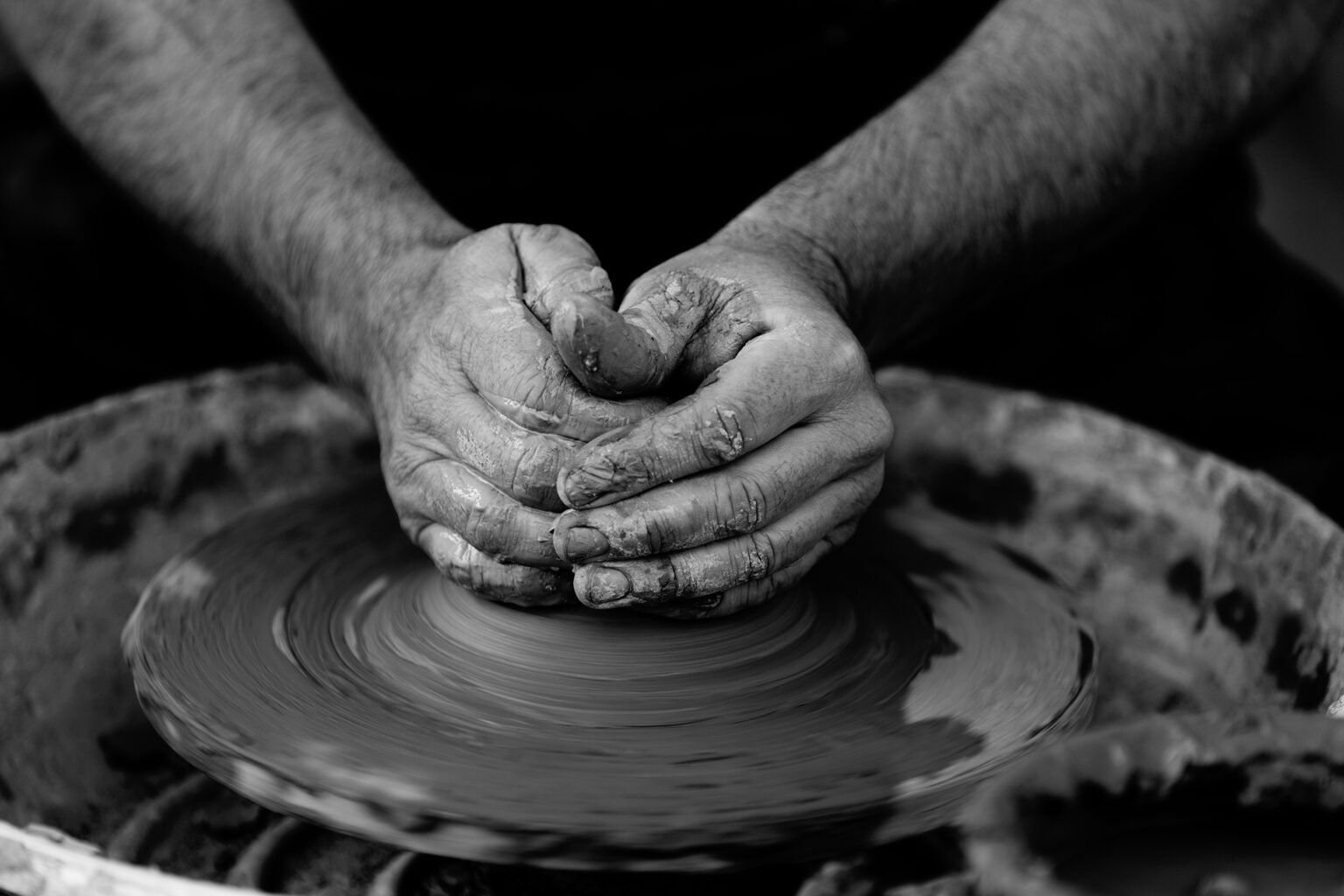
Editor’s note: This column was written by a member of the Southern Baptists of Texas Convention’s Shepherds Collective. For more information, visit sbtexas.com/networks/shepherds-collective.
When I was in high school, the Lord began stirring in my heart a desire to pursue vocational ministry. For me, that started in music ministry. I was heavily involved in my local church: there on Sundays, Wednesdays, camps, retreats, small groups—all of it. I loved the church and wanted to serve.
But honestly, I don’t think I really understood what was happening in those environments.
In my mind, Sunday mornings were times when we gathered to worship. Wednesday nights were for youth ministry and Bible study. Small groups offered connection with other people. Leadership opportunities were for learning how to serve. I saw all those things as important ministries of the church, but I didn’t really connect them to discipleship. I didn’t fully understand how those environments were shaping me spiritually.
Looking back now, I can see God was using every bit of it.
The worship gatherings were shaping my view of God. The preaching was forming how I thought about truth. Small groups were teaching me community and accountability. Older believers were modeling faithfulness and consistency. Serving in ministry was teaching me humility and dependence on the Lord. Even just being around the people of God week after week was forming me in ways I didn’t recognize at the time.
Fast forward more than 20 years into ministry, and I think very differently now.
I used to think of discipleship as one ministry among many. Now I believe everything the church does is discipleship.
The worship gathering disciples people. Life groups disciple people. Midweek ministries disciple people. Prayer gatherings disciple people. Evangelism training disciples people. Even the way a church communicates, organizes itself, and prioritizes ministries is shaping people spiritually.
Whether we realize it or not, churches are always forming people into something. That realization has changed the way I think about pastoral ministry. It has caused me to think less in terms of programs and more in terms of formation. Not just, “What are we offering?” but “What kind of people are we helping produce?”
That has become an ongoing conversation among our elders as well. We’ve spent a lot of time talking about the purpose behind everything we do as a church. What is the purpose of the worship gathering? How should it shape our people? What is the purpose of life groups? Midweek ministries? What are we aiming for spiritually through those environments?
Those conversations have also forced us to identify areas where our people may not be growing as they should. If we see weak prayer lives, limited biblical knowledge, shallow community, or a lack of evangelistic boldness, we have to ask whether we are being intentional enough in how we are discipling people.
I think that has been one of the biggest shifts in my theology and ministry philosophy over the years—moving from seeing discipleship as a program of the church to seeing it as the mission underneath everything the church does.
I still have a lot to learn, but I’ve become increasingly convinced that it’s critical for churches to think carefully about how every gathering, every ministry, and every rhythm is shaping the people God has entrusted to them. Because whether intentional or not, we are forming disciples. The question is whether we are helping form people who increasingly look more like Jesus.