 English
 Korean
 Spanish
Editor’s note: This column was written by a member of the Southern Baptists of Texas Convention’s Shepherds Collective. For more information, visit sbtexas.com/networks/shepherds-collective.
If we’re honest, many of us have felt the tension around corporate prayer. We affirm it theologically. We schedule it strategically. We want our churches to value it deeply. And yet we’ve all felt how fragile it can be, especially when attendance fluctuates or participation feels thin. In those moments, it’s tempting to pivot toward something more measurable or immediately productive.
I’m convinced the issue isn’t whether the church believes prayer matters. The deeper question is whether we, as shepherds, are truly leading our people in it.
Corporate prayer doesn’t drift toward strength, but it will always drift toward neglect. That’s not because people are indifferent, but because every church is shaped by what’s consistently emphasized. Our rhythms reveal our theology. Few things expose our functional dependence more clearly than how we pray together.
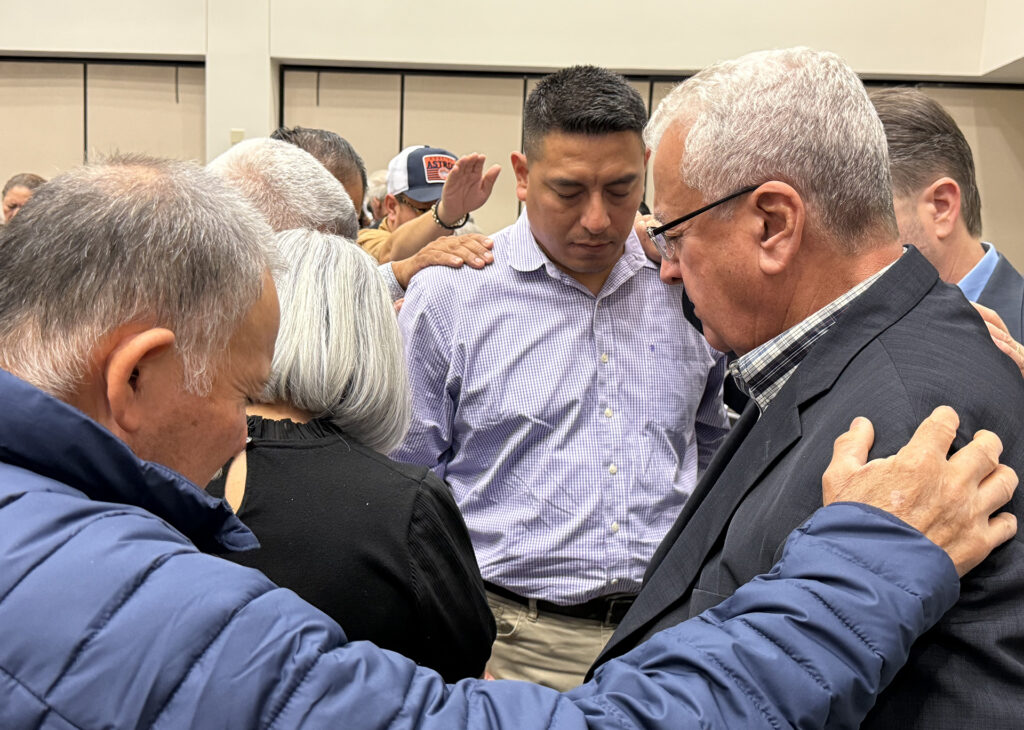
Corporate prayer is one of the clearest expressions of a church’s dependence upon God. We can preach trust while operating from competence. We can teach grace while subtly modeling self-reliance. But when we intentionally create unhurried space to seek the Lord together, we declare with our actions prayer isn’t preparation for the work—it is the work.
In 2 Chronicles 20, when enemy armies stood at the doorstep, King Jehoshaphat didn’t begin with strategy. He gathered the families of Judah to seek the Lord. His prayer was marked by honesty and humility: “We are powerless … We do not know what to do, but our eyes are on you.” Before plans were formed, dependence was declared and demonstrated.
Corporate prayer also forms a people in ways preaching alone cannot. What we consistently pray for shapes what we long for. It trains reflexes of humility and deepens instincts of surrender. It reminds us Christ is the head of the church, and we are not its engine.
How can we, as pastors, lead our people to embrace these truths?
Clarity lowers fear
Many believers avoid corporate prayer not because they lack desire, but because they lack confidence. Lower the entry point without lowering the vision. Offer short prompts. Pray Scripture. Model simple, sincere language.
Pace communicates priority
If prayer is consistently compressed between announcements and the sermon, it will always feel secondary. Unhurried time, even moments of silence, signals that seeking God isn’t a transition but a priority.
Substance invites engagement
Pray for real things: holiness, repentance, unity, courage, endurance, the lost, suffering saints, boldness in witness. When prayers carry weight, people lean in.
Tone sets culture
A church often prays the way its leaders pray. So pray sincerely and with conviction rather than with polished perfection. Pray with honesty and humility. Over time, a culture of dependent prayer will grow.
If you want to strengthen corporate prayer, begin with one intentional shift:
- Reclaim meaningful space on Sundays. Build 5-10 minutes of intentional prayer into the weekly gathering. Frame it clearly and give people room to participate.
- Establish a consistent rhythm. Consider a monthly gathering dedicated to praise and intercession. Repetition shapes culture.
- Tie prayer to pivotal moments. Before major decisions, transitions, or during seasons of hardship, gather the church to seek the Lord together. Make dependence visible early and often.
Corporate prayer isn’t a box to check, it’s a culture to cultivate.
In a ministry landscape driven by outcomes and efficiency, leading a church to say together, “We do not know what to do, but our eyes are on you” may be one of the most faithful expressions of leadership we can offer.