 English
 Korean
 Spanish
|
Ask any Southern Baptist pastor about church governance, and if he’s been in the ministry for very long he will invariably have horror stories to tell. And he will also have success stories, telling how he as “captain” of the church navigated the waters of congregationalism with a deacon board for a crew, and finally landed in what he believed
to be a God-blessed port. That is essentially how most SBC churches have operated since the convention’s inception in 1845.
Dissatisfied with the traditional model, some Southern Baptist pastors, many of these under age 40, have considered other models of ecclesiology akin to Saddleback Church (SBC) in Lake Forest, Calif., Chicago-area Willow Creek Community Church, and even toward the Presbyterian version of an elder-led church. They favor the apparent freedom in ministry, as well as freer and more creative approaches to the total worship experience. Some say the elder-led model puts the pastor and deacons on the same team and helps to minimize confrontation. Another attraction is the cultural relevancy non-traditional models seem to have. Regardless of methodology, however, there are success and failure stories with both models.
“I think I would have left the ministry long ago if I had to pastor a committee-led or deacon-led church,” said Ed Young, pastor of Fellowship Church in G  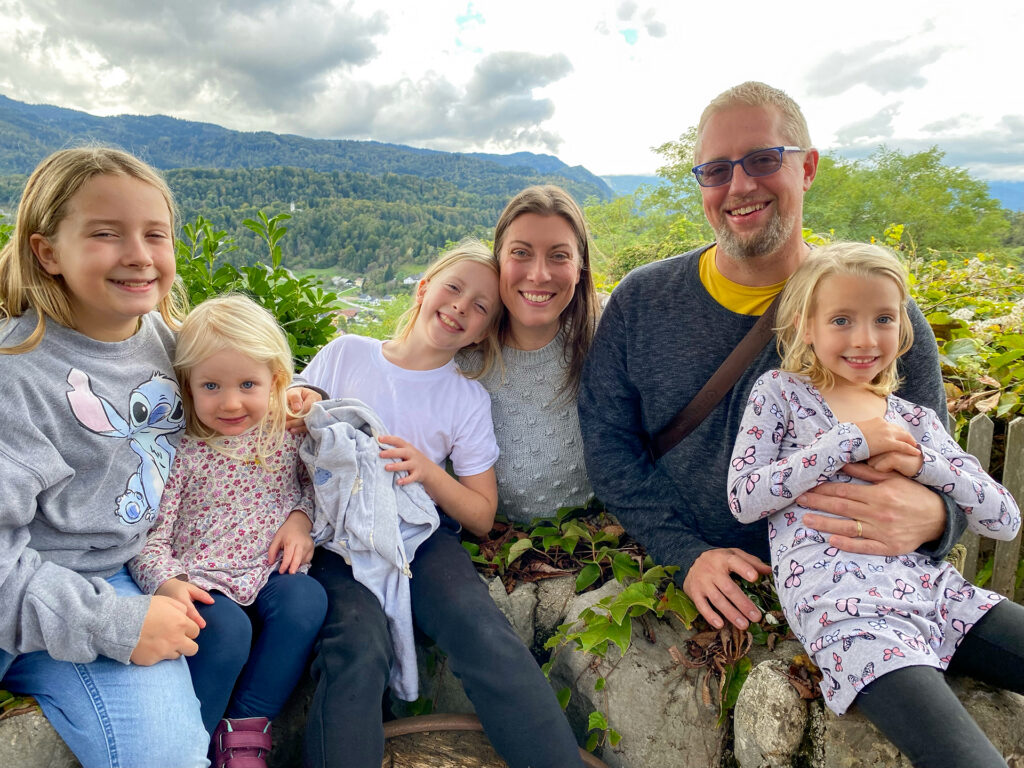
Slovenia’s gaming culture leads to gospel connection for IMB missionaryEditor’s note: Slovenia is one of the countries that is part of the Southern Baptists of Texas Convention’s Reach Europe ministry partnership with the International Mission Board. Click here to find out how your church can ... 
|